

Manufacturing
Made to order. No stock, no unsold clothes.
No mystery about where it comes from. From the drawing board in Roubaix to the garment delivered to your door, here is every step, and what is changing this autumn.
Why make to order?
Because overproduction is the norm in the textile industry, and we chose not to follow it. Every year, millions of unsold garments end up in landfill, incinerated or shipped abroad in bulk.
When you order from UVEA, we start printing and sewing your garment. Not before. No idle stock, no unsold pieces destroyed at the end of the season.
That is also why our prints keep changing: no design is set in stone, we print the one you choose.
- Your order
- Printingand calendering
- Manufacturing3 to 4 days
- Boat to Marseilleevery Saturday
- Shippingfrom Monday
Your order is ready in 3 to 4 days, leaves the workshop every Saturday for Marseille and, from Monday, is shipped to your home (Mondial Relay, La Poste…). From December, you will be kept informed at every step: printing, end of manufacturing, packing for Saturday's departure, then shipping to your home on Monday. In a hurry? From December, a FedEx express shipment leaves directly from Tunisia, 2 days after manufacturing.
The journey
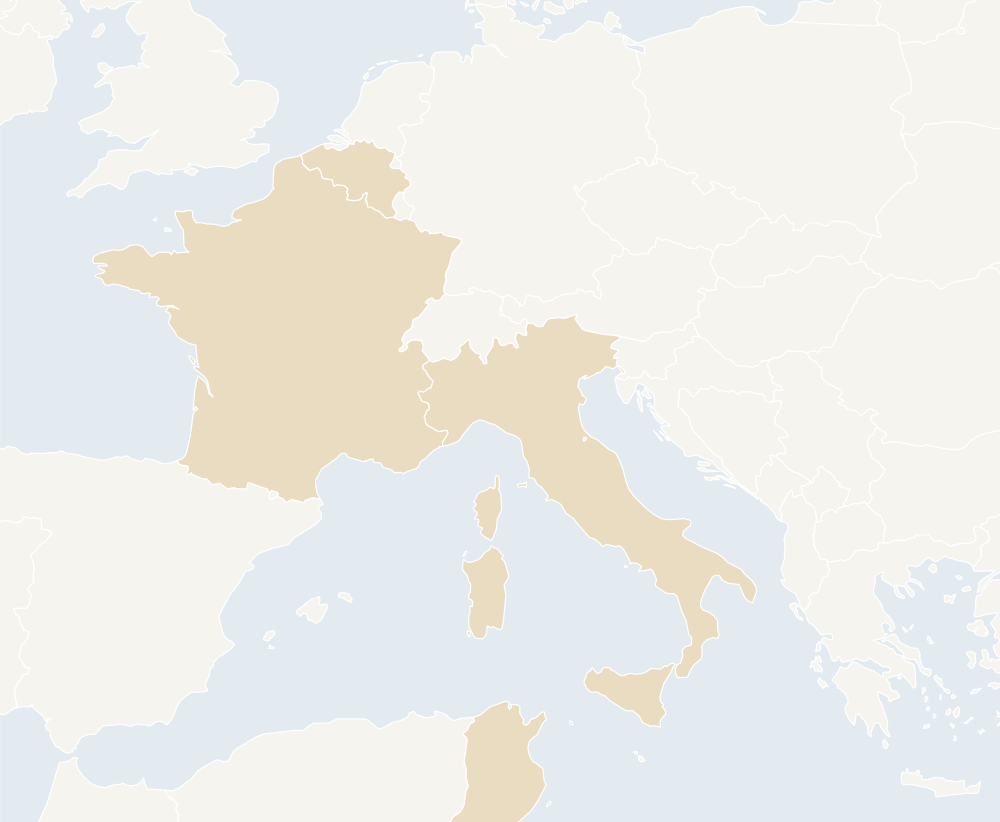
4 steps, 4 countries
- 1Roubaix, FranceDesign
- 2Northern Italy · ~730 kmThe fabric
- 3BelgiumThe photochromic zip
- 4Nabeul, Tunisia · ~1,700 kmPrinting and sewing
Straight-line distances from Roubaix.
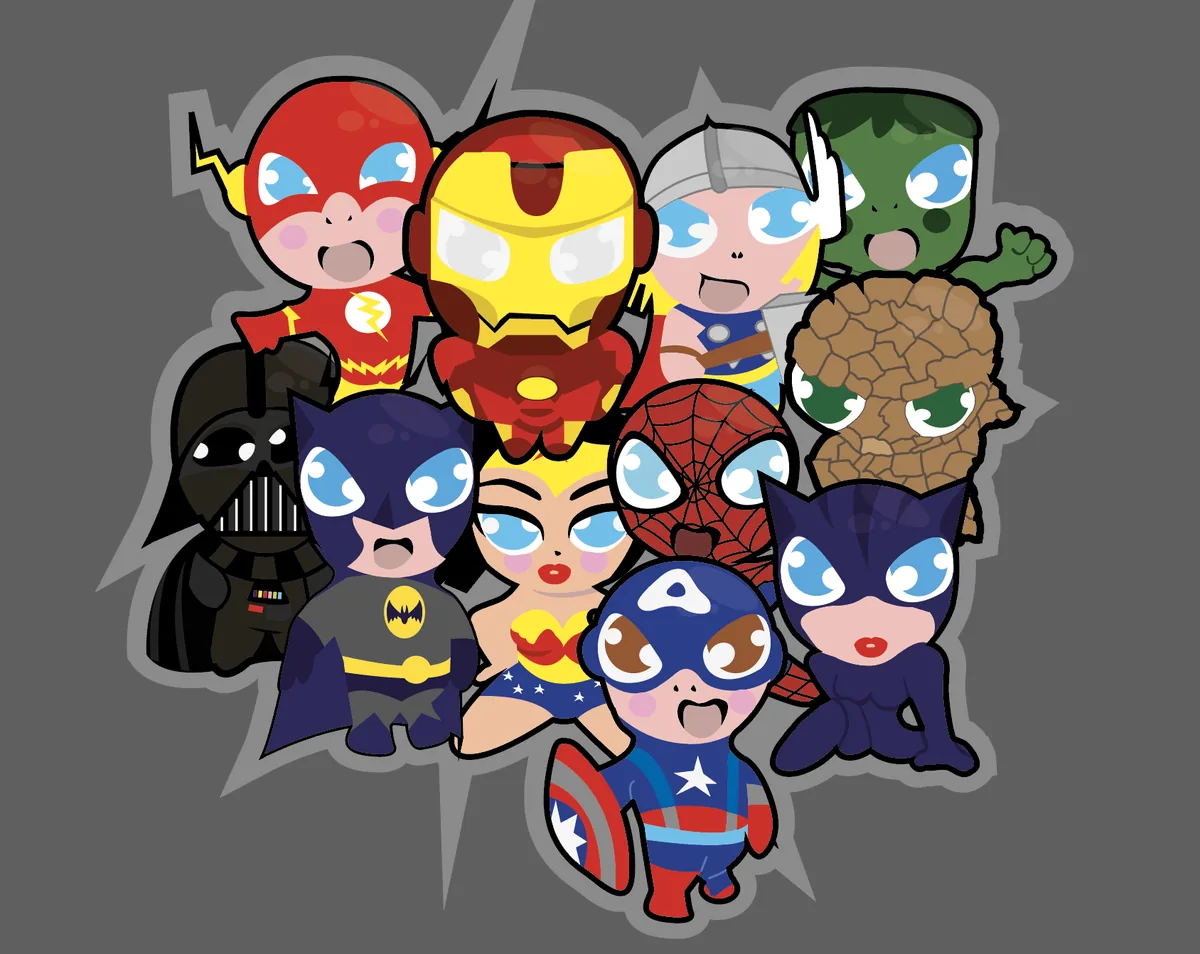
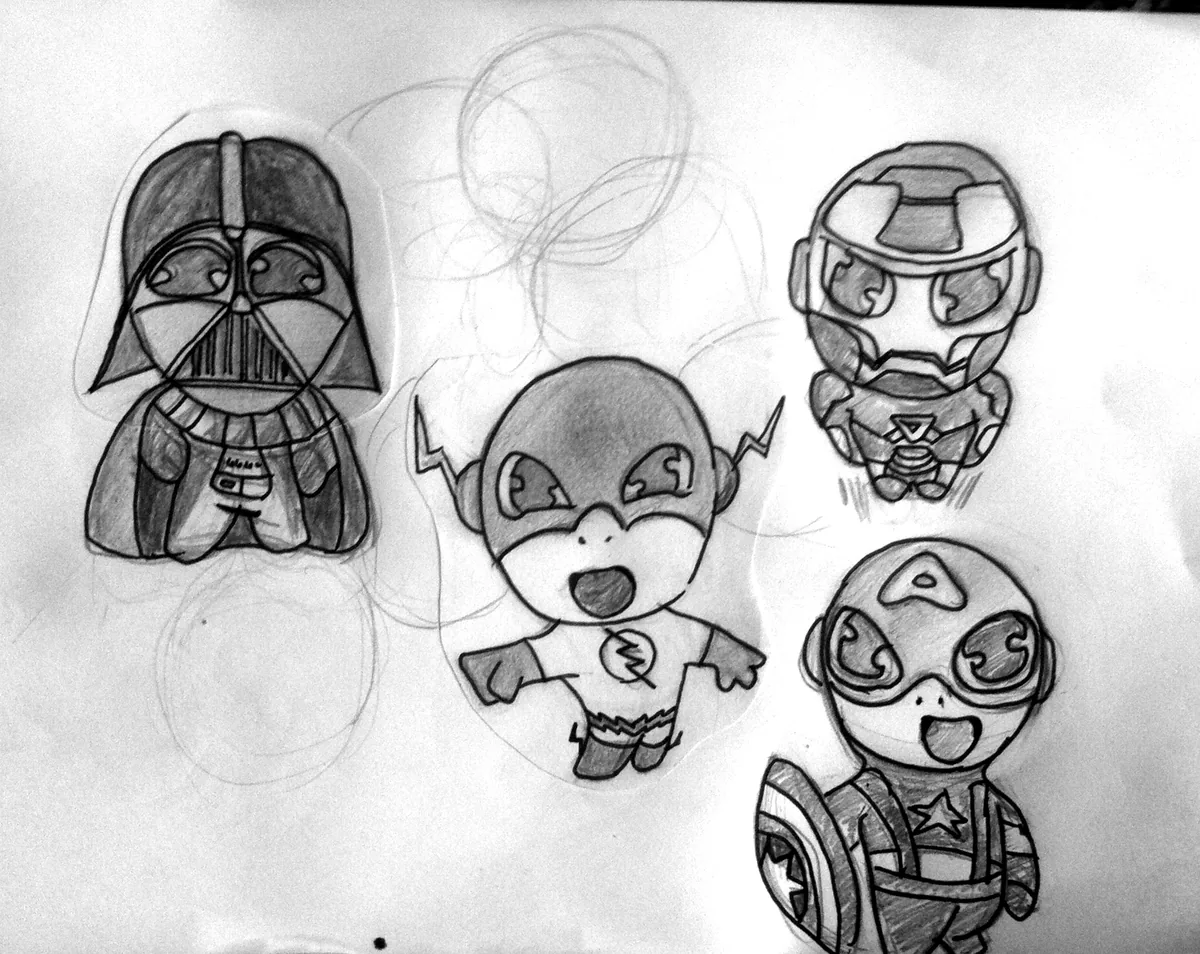
Drag the line: from pencil sketch to final drawing.
Step 1 — Roubaix, France
Design
Every print, every cut, every colour palette is designed in Roubaix: Illustrator and good old graph paper. Nothing goes into production without having been worn and tested.
Step 2 — Northern Italy (~730 km)
The fabric
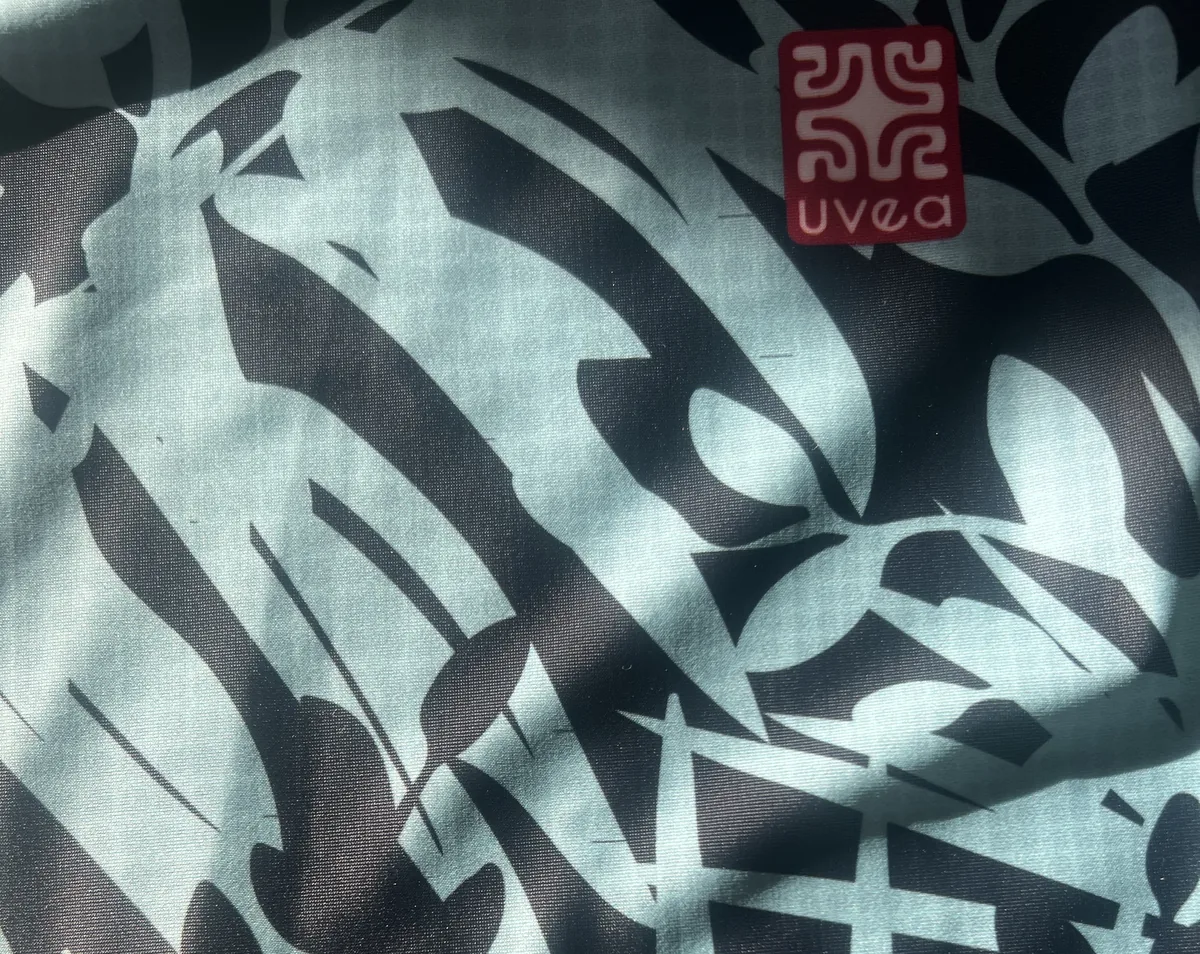
Our UPF 80 suits and T-shirts are made from a technical fabric produced in Northern Italy from recycled fibres (GRS and OEKO-TEX Standard 100 certified).
The UV protection comes from the fabric itself, not from a surface treatment that would wash out. This fabric was tested in 2018 by IFTH using the UV Standard 801 method (report no. 18-00752): UPF 80 measured, including wet and stretched. A new test is being prepared.
Step 3 — Belgium
The zip that changes colour in the sun
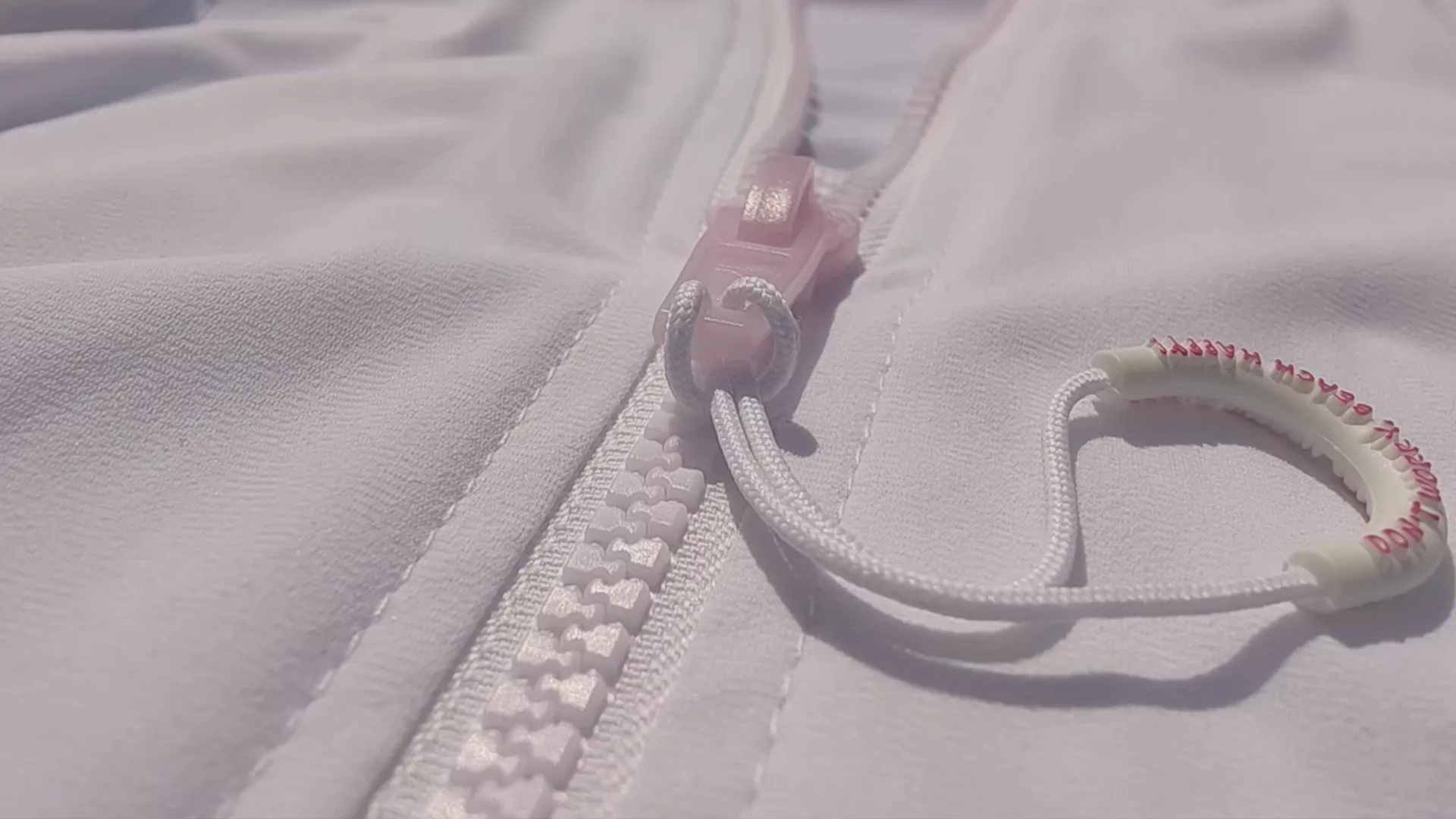
All our suits, as well as some of our children's T-shirts, close with a photochromic zip made in Belgium. In UV light it turns from white to pale pink, then mauve and violet: the more violet it gets, the more it is time to cover up or head for the shade. No battery, no app: a signal even a child understands.
It is not just the pull tab: the whole zip changes colour. To our knowledge, no other UV-protective garment has one.
Step 4 — Nabeul, Tunisia (~1,700 km)
Printing and sewing under one roof
Since autumn 2026, your garments have been printed and sewn near Nabeul, Tunisia, in a partner workshop that works with our own machines. Printing, cutting, sewing, quality control, packing: everything happens in one place.
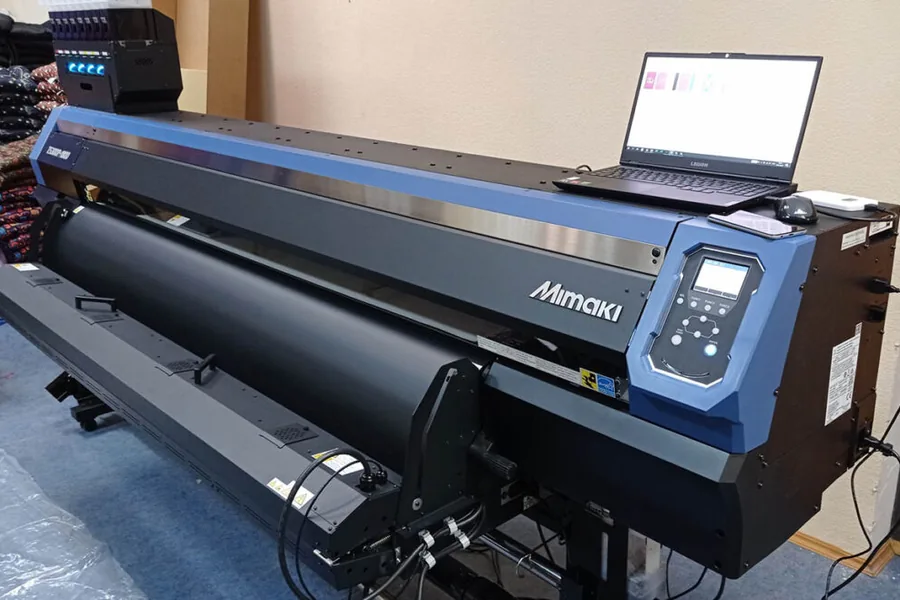
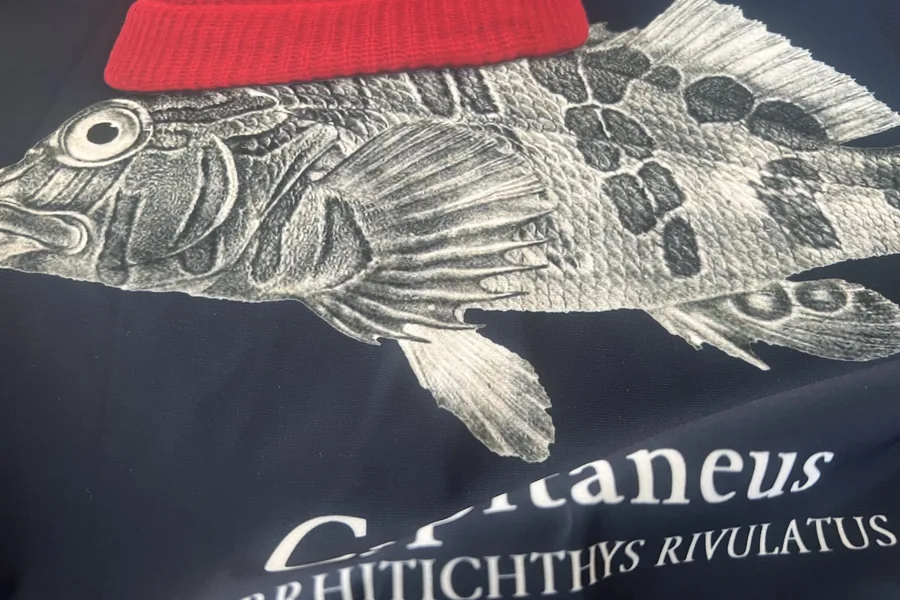
TS300P-1800 — our sublimation printer
Antonio 856 — our transfer calender
solvent inks — water-based sublimation inks
This autumn
Moving the workshop
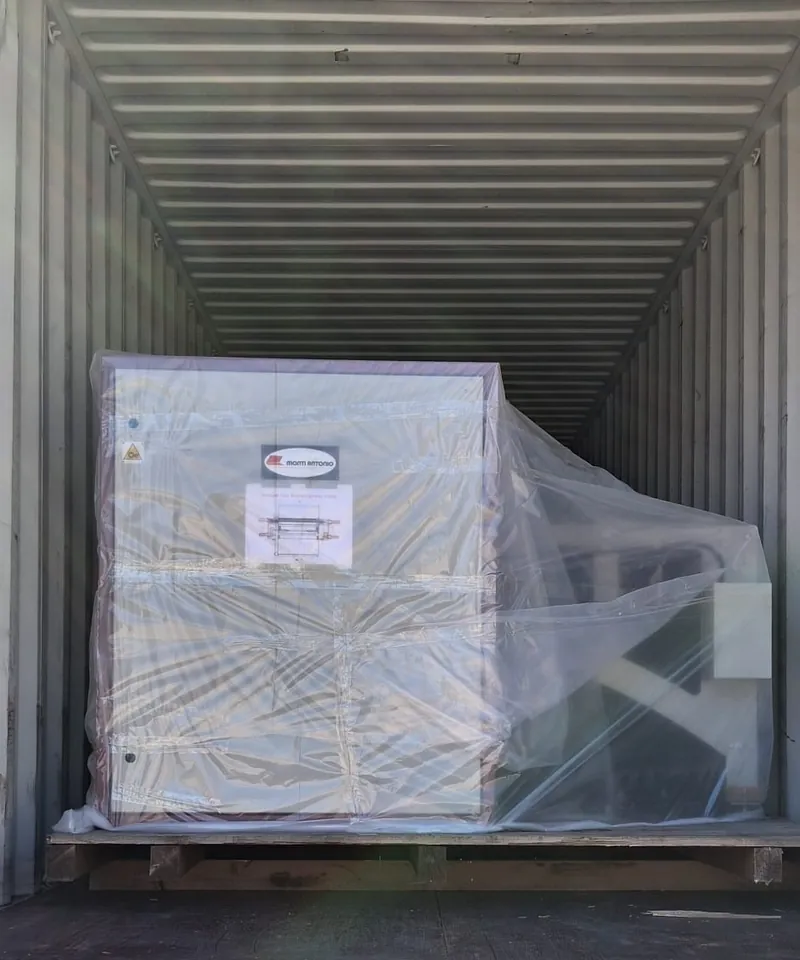
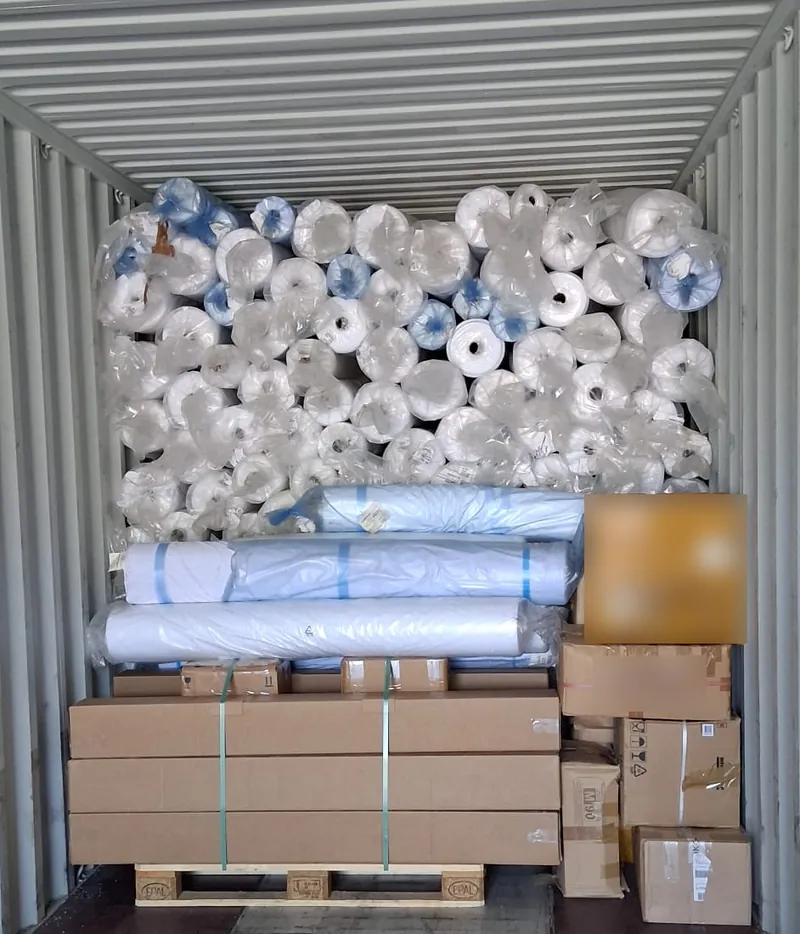
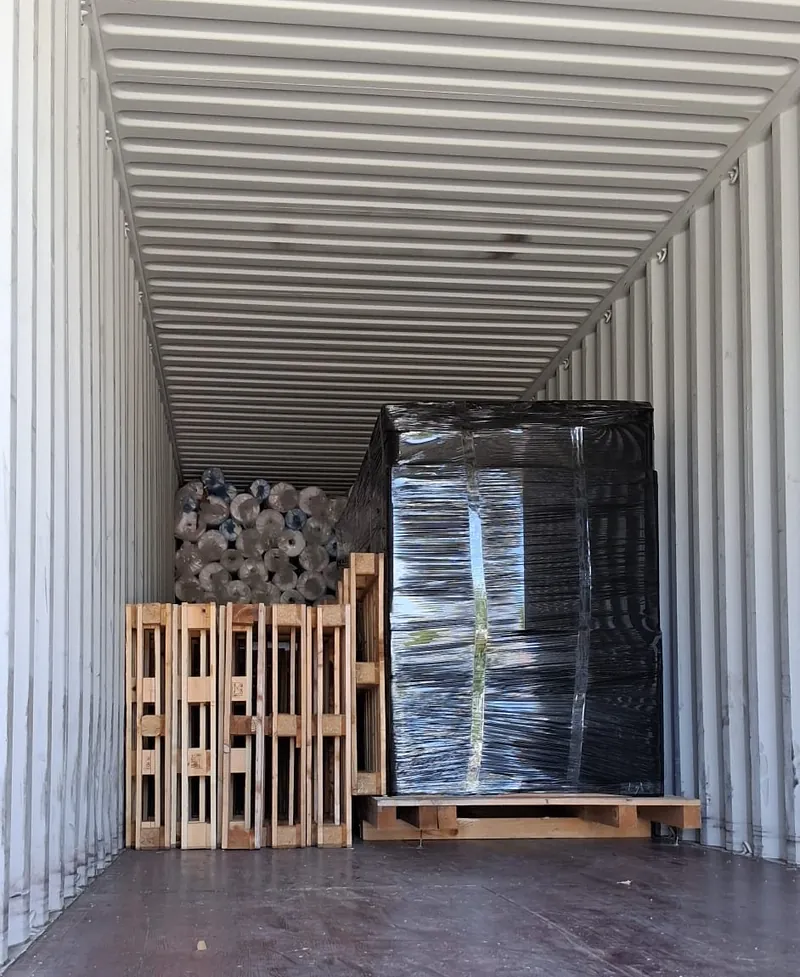
Our machines and fabric rolls set sail from Varna on 28 September, aboard the ROZA A.
Follow the ship live ↗Until this summer, our garments were sewn in Bulgaria. Our machines and fabric rolls have left Plovdiv by container for the new workshop. While it is being set up, orders are on hold: we will reopen as soon as the first pieces come out. Thank you for your patience.
We would rather be clear about it: Tunisia is not part of the European Union. It is a country with a long textile tradition, and we know the team that sews your garments.
What has been verified
- UPF 80
Fabric tested in 2018 by IFTH using the UV Standard 801 method (report no. 18-00752), available on our UPF 80 protection page.
- Recycled fibres
GRS (Global Recycled Standard) certified fabric.
- OEKO-TEX Standard 100
Fabric tested for harmful substances.
- Personal protective equipment
Category I, CE marked.